Fallout Shelters & Bunkers

Call us on 8776732394 or Email us on customerservice@safecastle.com with your requirement and within 4 working hours we will arrange a call back or detail on email for you.

The Complete Buyer's Guide to Bomb Shelters & Fallout Shelters

A bomb shelter — also called a fallout shelter or underground bunker — is the most robust protection a family can invest in against nuclear threats, EMP events, or severe civil unrest. Since 1999, Safecastle has helped thousands of families prepare for worst-case scenarios with expert advice and trusted preparedness supplies. This guide covers everything you need to know before purchasing a shelter: the types available, what features matter, realistic costs, and how to stock yours properly once it's installed.

Types of Bomb Shelters & Fallout Shelters

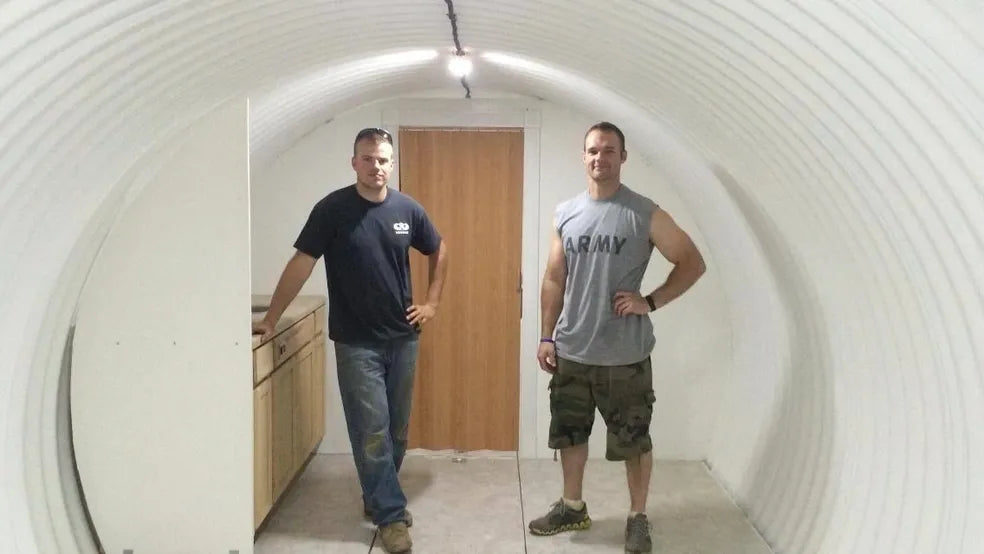
Underground Steel Pipe Shelters (Round) — The most common residential option. Pre-fabricated corrugated steel tubes are buried in your yard and engineered to handle significant blast overpressure. Compact and fast to install, they work well for 1–6 occupants. These are the shelters you'll most often see advertised as "backyard bunkers."

Rectangular Underground Shelters (Square) — Flat-walled steel or concrete units offer more usable interior space than round shelters at the same footprint. Easier to furnish and better suited for families who need separate sleeping, storage, and sanitation areas for stays longer than 72 hours.

Modular Multi-Room Bunkers — Connected chambers designed for extended occupancy — weeks to months. These installations include dedicated spaces for sleeping, food storage, mechanical systems, and sanitation. They're built for serious preparedness at a significantly higher price point.

Above-Ground Reinforced Safe Rooms — For those who cannot install an underground shelter, reinforced above-ground rooms provide protection against tornadoes, home intrusion, and conventional threats. These are not rated for nuclear blast overpressure but offer meaningful protection at a fraction of the cost.

Key Features to Look for When Buying

  • Blast Rating (PSI): Measures overpressure tolerance. A 5 PSI rating handles large conventional explosions; 50+ PSI is required for near-nuclear-detonation survival.
  • NBC Air Filtration: Nuclear, Biological, and Chemical filtration — HEPA plus activated carbon with a positive-pressure valve — is non-negotiable for fallout protection. Without it, the shelter becomes a sealed room that concentrates contaminated air.
  • Wall Thickness & Material: Corrugated steel at 3/16" to 1/4" is the residential standard. Thicker walls improve both blast resistance and long-term rust resistance. Ask manufacturers for ASTM material certifications.
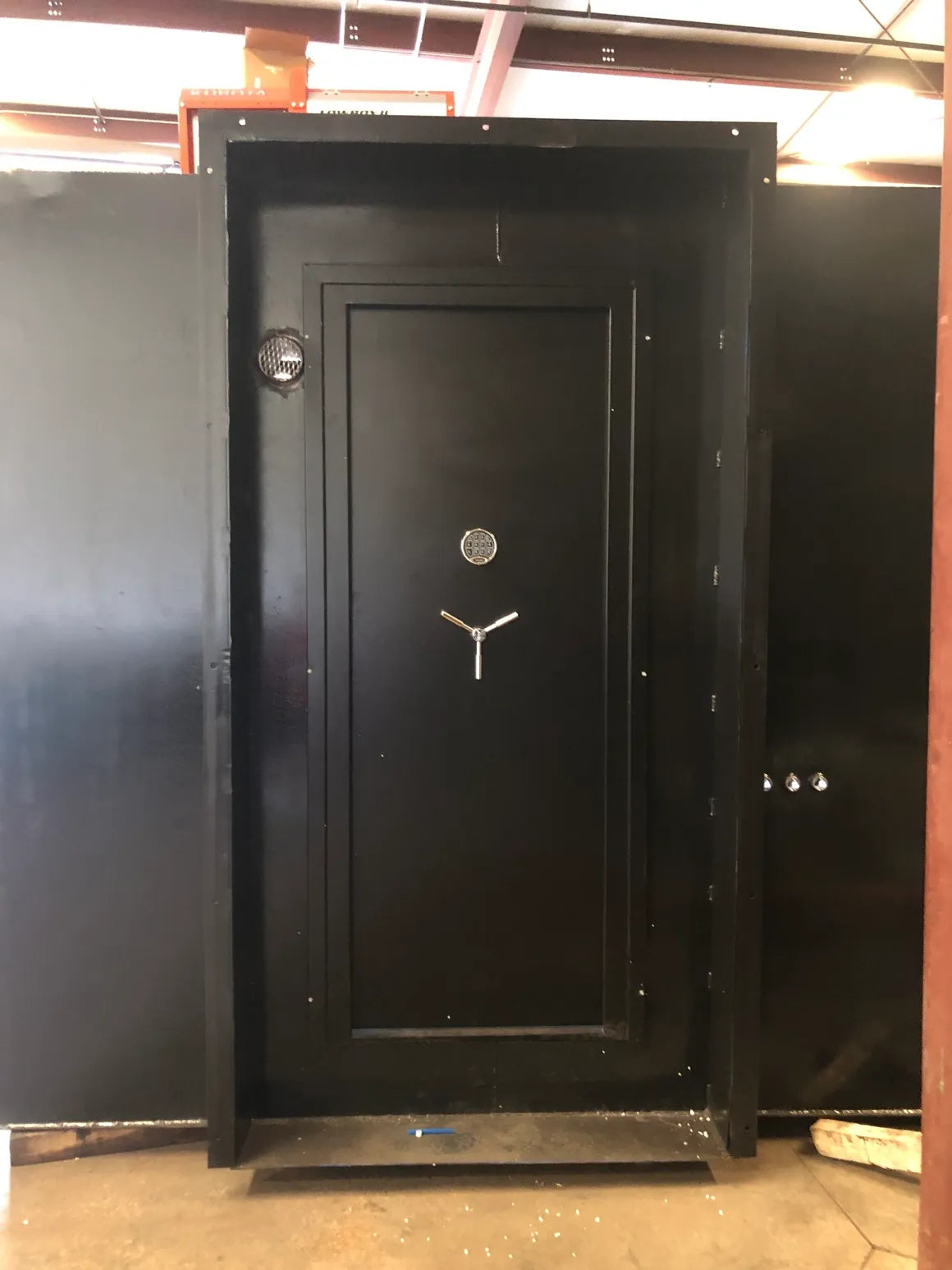
  • Blast Door Quality: The entry point is the most vulnerable part. A properly rated blast door should have a multi-point locking mechanism, a pressure equalization valve, and an internal emergency release.
  • Emergency Escape Hatch: Never purchase a shelter with only one entry point. A secondary escape hatch in a different wall or roof panel is a life-safety requirement.
  • Ventilation & Power: At minimum: a hand-crank air pump for manual ventilation. Better: a solar-charged battery system with a DC blower running through the NBC filter. Diesel or propane generator hook-ups are standard on larger units.
  • Shelter Depth: Burial depth affects both blast protection and radiation shielding. A minimum of 3–4 feet of soil over the roof is the fallout shielding baseline; 10+ feet dramatically improves protection against near-surface blasts.

Realistic Cost Breakdown

Shelter pricing varies significantly by size, material, and installation complexity. These figures represent installed costs in typical U.S. soil conditions:

  • Basic round pipe shelter (1–4 people, 8–10 ft): $10,000 – $20,000
  • Mid-size rectangular shelter (4–8 people): $30,000 – $75,000
  • Large family shelter (8–12 people, full amenities): $80,000 – $150,000
  • Modular multi-room bunker complex: $200,000 – $500,000+

Installation typically accounts for 30–50% of total project cost. Variables that increase cost: rocky or clay soil, high water table, distance from equipment access, local permitting requirements, and custom NBC filtration systems. Always get three contractor quotes and ask specifically about waterproofing warranties.

Permits, Regulations & Contractor Vetting

Most jurisdictions require a building permit for any below-grade structure exceeding a certain depth or footprint. Some municipalities restrict shelter construction outright; others have specific setback requirements from property lines, utilities, and septic systems. Check with your county building department before purchasing. Reputable shelter manufacturers will help you navigate local code requirements — be wary of any company that tells you permits aren't necessary.

When vetting contractors, ask for references from completed installations, request proof of liability insurance, and confirm that the shelter manufacturer provides a warranty on both the unit and the installation. The FEMA shelter program has published voluntary standards (FEMA P-320 and P-361) that serve as a useful baseline for evaluating contractor claims.

Stocking Your Shelter: The Essentials

A shelter without supplies is just an expensive room. Plan to sustain your entire household for a minimum of 14 days — ideally 30–90 days for a meaningful nuclear scenario. Priority categories:

  • Long-term food storage: Freeze-dried meals (25-year shelf life), canned goods, and calorie-dense emergency rations. Plan 2,000–2,500 calories per person per day.
  • Water: Store at least 1 gallon per person per day. Supplement with a gravity-fed water filter capable of handling stored or questionable water sources.
  • Radiation detection: A dosimeter for each person plus a Geiger counter to assess contamination levels before exiting.
  • First aid & medications: A comprehensive trauma kit plus a 90-day supply of any prescription medications.
  • Communication: A hand-crank emergency radio (NOAA-capable) and any electronics stored in Faraday protection to survive an EMP event.
  • Sanitation: A portable toilet with waste bags, hand sanitizer, and sufficient hygiene supplies to prevent illness in a confined space.
  • Light & power: Headlamps with lithium batteries, solar-charged power banks, and a 12V battery bank for running small devices off the shelter's ventilation system.

Safecastle has supplied preparedness families since 1999. Browse our freeze-dried food, water filtration, and emergency gear collections to start stocking your shelter with products built for long-term storage.

Collapsible content

What is the difference between a bomb shelter and a fallout shelter?

A bomb shelter is engineered primarily to withstand the physical blast wave — the sudden overpressure and structural forces — from an explosion. A fallout shelter is designed primarily to shield occupants from radioactive particles (fallout) released after a nuclear detonation. In practice, most modern underground bunkers marketed as bomb shelters incorporate both functions: thick steel or concrete walls for blast resistance plus sufficient earth cover (typically 3–10 feet of soil) to attenuate gamma radiation. When shopping, ask specifically for the shelter's PSI blast rating and its protection factor (PF) rating for radiation — both numbers matter for nuclear preparedness.

How much does a bomb shelter cost to install?

Installed costs depend heavily on size and site conditions. As a general guide:

  • Small round pipe shelter (1–4 people): $10,000 – $20,000
  • Mid-size rectangular shelter (4–8 people): $30,000 – $75,000
  • Large family shelter with full amenities: $80,000 – $150,000
  • Modular multi-room bunker: $200,000 – $500,000+

Installation — excavation, backfill, waterproofing, and entry construction — typically adds 30–50% to the unit price. Factors that increase cost: rocky or clay soil, high water table, limited equipment access, and custom NBC filtration systems. Always obtain at least three contractor bids and ask each to specify what the warranty covers.

Do I need a permit to build a bomb shelter?

In most U.S. jurisdictions, yes. Any below-grade structure of significant size typically requires a building permit and must comply with local zoning and setback ordinances. Some counties have specific below-grade structure codes; others apply standard residential foundation rules. A few municipalities restrict or prohibit private shelter construction within city limits.

Before purchasing, contact your county building department to confirm requirements. Reputable shelter manufacturers will provide guidance on permitting documentation and can connect you with licensed contractors familiar with local codes. Be cautious of any company that claims permits are unnecessary — this is a red flag for both code compliance and installation quality.

How deep should a bomb shelter be buried?

Depth affects both blast protection and radiation shielding. The minimum recommended burial is enough to place the roof of the shelter at least 3–4 feet below grade — this provides meaningful gamma radiation shielding from fallout. Greater depth improves both protection factors:

  • 3–4 feet of soil over roof: Good fallout radiation attenuation, minimal blast protection improvement
  • 6–8 feet of soil over roof: Substantially improved radiation shielding; also reduces surface blast wave impact on the structure
  • 10+ feet burial: Maximum residential radiation and blast protection; required for higher PSI ratings

Water table is the primary practical constraint. A shelter in saturated soil will have serious waterproofing challenges — discuss hydrostatic pressure management with your installer before finalizing burial depth.

What is NBC air filtration and do I need it?

NBC stands for Nuclear, Biological, and Chemical. An NBC air filtration system combines a HEPA filter (removes radioactive particles, biological agents, and particulates) with an activated carbon filter (neutralizes chemical vapors) and operates under positive pressure — meaning filtered air pressure inside the shelter is kept slightly higher than outside, so any leaks push air out rather than drawing contaminated air in.

For a shelter meant to protect against nuclear fallout or chemical/biological threats, NBC filtration is not optional — it's the difference between a survival shelter and a sealed room that concentrates hazardous air. At minimum, look for a system rated to military CBRN standards. For residential use, hand-crank or battery-powered blower units are available that don't require shore power.

How long can you live in a bomb shelter?

Duration depends entirely on what the shelter is stocked with. The structure itself can theoretically sustain occupancy indefinitely. Practical limits come from supplies:

  • Air: With proper NBC filtration, the air supply is effectively unlimited as long as the filtration system operates.
  • Water: A properly supplied shelter should have at least 1 gallon per person per day stored, plus a filtration capability. 30-day supply is the common baseline.
  • Food: Freeze-dried food with 25-year shelf life makes long-duration stocking practical. A 90-day supply for a family of four requires roughly 20–30 cubic feet of storage.
  • Waste management: A portable composting or sealed-bag toilet system can handle weeks of occupancy; longer stays require more robust sanitation planning.
  • Mental health: The human factor is often underestimated. Lighting that simulates day/night cycles, physical activity space, entertainment, and clear communication protocols become critical for stays exceeding two weeks.

For a nuclear scenario, the critical radiation decay period is typically 2 weeks (the "two-week rule" based on radiation decay curves), after which it may be safe to venture out briefly for reconnaissance. A 30-day stock is a practical minimum; 90 days provides meaningful margin.

What is the difference between a round and a square bomb shelter?

Round shelters (corrugated steel pipe) distribute blast overpressure efficiently across their curved surface — the arch geometry is inherently strong under compression. They're faster to install, less expensive, and widely available in standard sizes from 8" to 12' diameter. The primary downside is usable space: the curved walls make efficient furniture placement difficult, and headroom at the edges is limited.

Square/rectangular shelters use flat-panel steel walls and require internal frame bracing to achieve equivalent blast ratings. They cost more per cubic foot of protected space but provide significantly better interior usability — standard furniture fits, you can partition rooms, and full standing height extends wall-to-wall. For families planning stays longer than 72 hours, rectangular shelters are generally the better investment.

What should I stock in my bomb shelter?

Stock your shelter across six categories, planning for a minimum of 14–30 days per person:

  • Food: Freeze-dried meals (25-year shelf life), canned goods, and calorie-dense bars. Target 2,000–2,500 calories per person per day. Rotate stock every few years.
  • Water: 1 gallon per person per day stored, plus a gravity-fed water filter (like a Berkey system) to handle water from stored tanks or supplemental sources.
  • Radiation protection: A dosimeter for each occupant to track cumulative exposure, plus a Geiger counter to measure contamination levels before exiting.
  • Medical: A comprehensive trauma kit, prescription medication supply (90 days), potassium iodide tablets (for thyroid protection from radioactive iodine), and basic OTC medications.
  • Communication: A hand-crank NOAA weather radio, a battery or crank-powered AM/FM receiver for emergency broadcasts, and any electronics protected in Faraday bags.
  • Power & light: Headlamps with lithium batteries, a solar-charged power bank, and a 12V battery bank for running ventilation and small devices during extended stays.

Safecastle has carried professional-grade preparedness supplies since 1999. Browse our freeze-dried food, water filtration, and emergency gear collections to start building your shelter supply inventory.

Can a bomb shelter double as a storm shelter?

Yes — an underground bomb shelter provides excellent protection against tornadoes and severe storms, often exceeding the protection of purpose-built FEMA storm shelters. The key differences are the entry design and accessibility speed. FEMA-rated storm shelters (P-320 for residential, P-361 for community) are engineered for rapid entry during a 15–30 minute warning window; bomb shelter blast doors are heavier and slower to operate.

If dual-use is a priority, discuss this with your shelter manufacturer. Some manufacturers offer storm-shelter-rated products that also provide meaningful fallout protection — a practical middle ground for families in tornado country who also want nuclear preparedness capability. FEMA certification requires third-party testing and carries specific requirements for door hardware, debris impact resistance, and anchoring that pure bomb shelter manufacturers don't always meet.

How do I maintain an underground bomb shelter?

Underground shelters require annual maintenance to remain functional when needed:

  • Inspect waterproofing annually: Check for rust spots, seam separation, and water intrusion. Address any rust with wire brushing and rust-inhibiting primer immediately — corrosion in a buried steel structure compounds quickly.
  • Test all seals and gaskets: Blast door seals and NBC filter housing gaskets degrade over time. Replace any cracked or compressed rubber seals.
  • Service the air filtration system: Replace HEPA and carbon filter media per the manufacturer's schedule (typically every 3–5 years, sooner if the shelter is in regular use). Test blower motors annually.
  • Rotate food and water stock: Even freeze-dried food with 25-year shelf life benefits from annual inventory checks. Replace any swollen, rusted, or compromised cans immediately.
  • Test communications equipment: Charge and test all radios and battery banks. Replace batteries in dosimeters and flashlights.
  • Run the ventilation system: Operate blowers and hand-crank pumps to confirm they function. Mechanical systems that sit idle for years can seize.
  • Check and lubricate the blast door: Multi-point locking mechanisms need annual lubrication. Confirm the emergency interior release functions without the key.